
Irregular Periods: What Your Cycle Is Telling You
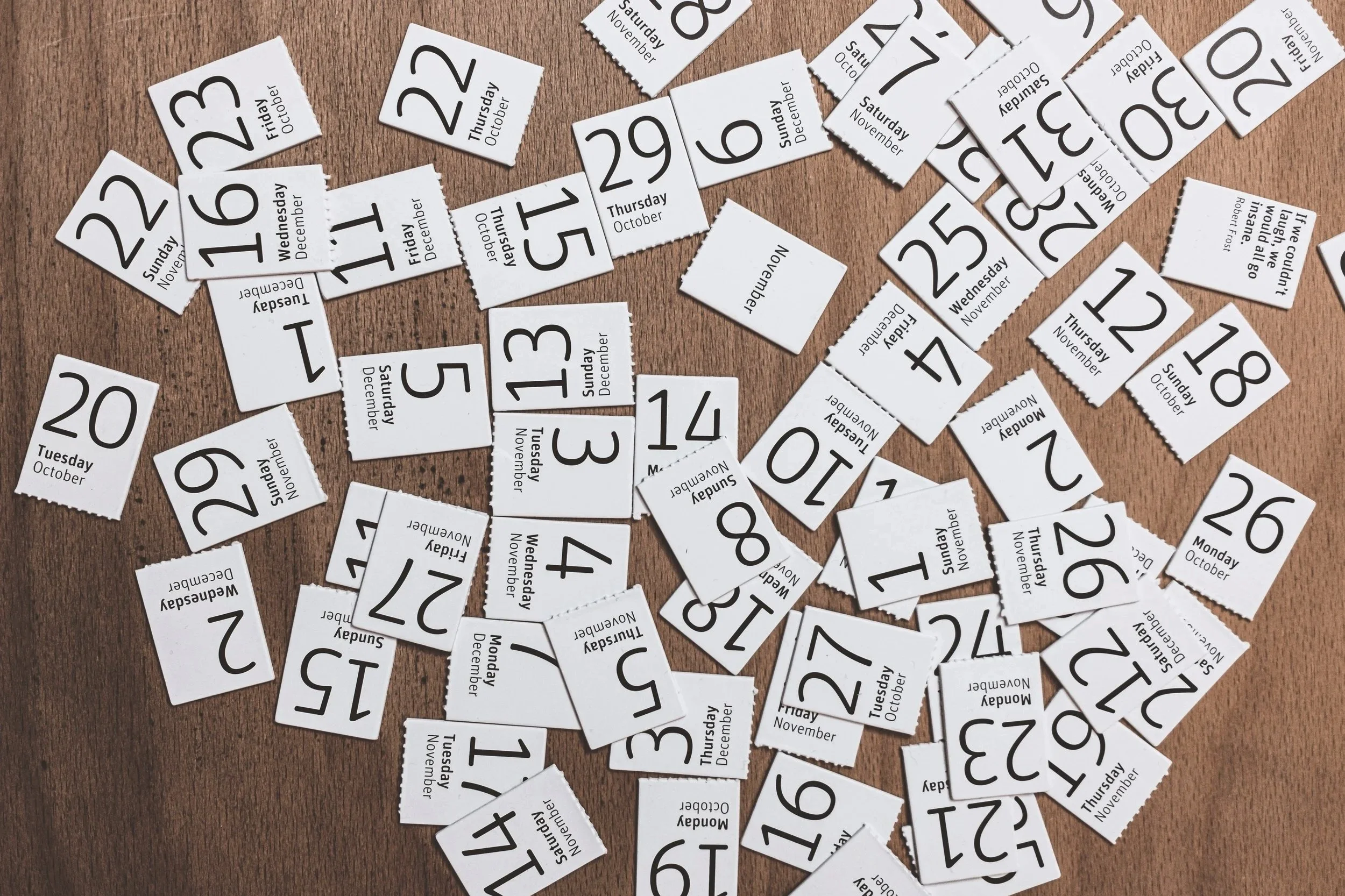
Your period has a mind of its own. It shows up early, then late, then not at all. Sometimes it's heavy, sometimes barely there. You've stopped wearing white pants because you never know when it's coming. You've given up trying to predict it.
Irregular periods are frustrating, but they're also informative. Your menstrual cycle is a vital sign, as revealing as your blood pressure or heart rate. When your cycle is erratic, your body is communicating that something in your system needs attention.
Understanding what your body is communicating, and what it needs to regulate again, is where the real work begins.
Tracking and working with your cycle is foundational. For more, see our article on cycle syncing.
What Counts as an Irregular Period?
A textbook menstrual cycle is 28 days, but very few women have textbook cycles. Normal cycle length ranges from 21 to 35 days, and what matters most is consistency. If your cycle is reliably 32 days, that's your normal. If it swings from 25 to 40 days with no pattern, that's irregular.
Irregular periods can show up in several ways. Your cycle length varies significantly from month to month. You skip periods entirely for stretches of time. Your period comes more frequently than every 21 days. You go longer than 35 days between periods. The length of your period itself varies dramatically, lasting two days one month and eight days the next.
Occasional irregularity happens to almost everyone. Stress, travel, illness, and life changes can temporarily disrupt your cycle. What warrants attention is a persistent pattern of unpredictability, cycles that have never been regular, or a change from previously regular cycles to irregular ones.
If you've recently come off hormonal birth control, some irregularity is expected as your body recalibrates. This can take several months. For more on this transition, see our article on coming off birth control.
Why Periods Become Irregular
Your menstrual cycle depends on a complex conversation between your brain, your ovaries, and your uterus. When this communication gets disrupted, your cycle reflects it.
Ovulation Issues
The most common cause of irregular periods is irregular or absent ovulation. Your period is triggered by the hormonal shift that follows ovulation. If you don't ovulate, or ovulate inconsistently, your period becomes unpredictable.
Polycystic ovary syndrome (PCOS) is the most common cause of anovulation in reproductive-age women. In PCOS, hormonal imbalances interfere with follicle development, preventing regular ovulation. Cycles can be very long, very short, or absent altogether. If your irregular periods are accompanied by acne, excess hair growth, or difficulty losing weight, PCOS may be a factor. For more on this condition, see our article on PCOS and fertility.
Thyroid Dysfunction
Your thyroid gland regulates metabolism throughout your body, including your reproductive system. Both hypothyroidism (underactive thyroid) and hyperthyroidism (overactive thyroid) can cause irregular periods.
An underactive thyroid often causes heavy, prolonged periods and shorter cycles. An overactive thyroid tends to cause lighter, less frequent periods. Because thyroid symptoms can be subtle and overlap with other conditions, thyroid dysfunction is often missed. If your periods have changed and you're also experiencing fatigue, weight changes, hair loss, or feeling unusually cold or hot, ask your doctor to check your thyroid. For more on the thyroid connection, see our article on thyroid and fertility.
Perimenopause
If you're in your 40s and your previously regular periods have become unpredictable, perimenopause is likely. This transition typically begins 4 to 10 years before menopause and is characterized by fluctuating hormone levels that make cycles erratic.
Perimenopausal cycles can be shorter, longer, heavier, lighter, or skip months entirely. This variability is normal for this life stage, though it can be unsettling if you don't know what's happening. For more on navigating this transition, see our article on perimenopause symptoms.
Stress and Your Nervous System
Your reproductive system is exquisitely sensitive to stress. When your nervous system perceives ongoing threat, it can suppress the hormonal signals needed for regular ovulation.
This happens through the hypothalamic-pituitary-adrenal (HPA) axis. Chronic stress elevates cortisol, which can suppress GnRH, the hormone that triggers the release of FSH and LH. Without proper FSH and LH signaling, ovulation becomes irregular or stops altogether. A study published in Psychoneuroendocrinology demonstrated that women with elevated stress biomarkers had significantly lower levels of estradiol and LH during the fertile window, confirming the direct physiological link between chronic stress and cycle disruption.
This is your body's intelligence at work. From an evolutionary perspective, it makes sense not to reproduce during times of danger or scarcity. The problem is that your nervous system can't distinguish between a famine and a demanding job, between a predator and financial stress. It responds to modern pressures with ancient survival mechanisms.
If your periods became irregular during a stressful period in your life, or if you've been running on stress for so long you've forgotten what calm feels like, your nervous system may be driving your cycle irregularity. For more on how stress affects your body, see our article on fight, flight, and freeze.
Extreme Exercise or Undereating
Your body needs adequate energy to maintain reproductive function. When caloric intake is too low relative to energy expenditure, your body conserves resources by downregulating reproduction.
This is common in athletes, but it also affects women who aren't elite competitors. Chronic undereating, even if you don't think of yourself as dieting, combined with regular intense exercise can suppress ovulation. If your periods disappeared or became irregular when you increased your exercise or restricted your eating, this energy deficit may be the cause.
Other Medical Causes
Several other conditions can cause irregular periods. Premature ovarian insufficiency, where ovarian function declines before age 40. Hyperprolactinemia, elevated levels of the hormone prolactin. Uterine fibroids or polyps. Endometriosis. Certain medications, including some antidepressants and antipsychotics.
If your periods have changed significantly, especially if you're also experiencing other symptoms, see your doctor to rule out underlying conditions.
What Your Cycle Pattern Reveals
The specific pattern of your irregularity offers clues about what's happening in your body.
Very Long Cycles (Over 35 Days)
Long cycles usually indicate delayed or absent ovulation. Your body is trying to ovulate but isn't quite getting there. This pattern is common in PCOS, in women with high stress, and during the transition off hormonal birth control.
In Chinese medicine, this pattern often relates to stagnation or deficiency. Either energy and blood aren't moving smoothly, or there isn't enough underlying resource to support the cycle.
Very Short Cycles (Under 21 Days)
Short cycles can indicate a shortened follicular phase, where you're ovulating too early, or a shortened luteal phase, where the time between ovulation and your period is too brief. Short luteal phases can affect fertility because there isn't enough time for implantation.
Short cycles can also occur in perimenopause as hormone levels fluctuate, or with thyroid dysfunction.
Heavy, Prolonged Periods
Heavy bleeding that lasts more than seven days or requires changing protection every hour suggests your body is struggling to regulate the cycle properly. This can be related to anovulation, where without the progesterone that follows ovulation, the uterine lining builds unevenly and sheds erratically. It can also indicate fibroids, polyps, adenomyosis, or thyroid issues.
Heavy periods deserve medical evaluation, both to identify the cause and to ensure you're not becoming anemic. For more on this topic, see our article on painful periods.
Very Light or Absent Periods
Periods that barely require protection, or that disappear entirely, suggest low estrogen or inadequate uterine lining. This can result from undereating, overexercising, high stress, premature ovarian insufficiency, or being significantly underweight.
If your periods have stopped for three or more months (and you're not pregnant), this is called amenorrhea and warrants investigation.
How Chinese Medicine Views Irregular Cycles
In Traditional Chinese Medicine, a regular menstrual cycle reflects balance in your overall system. Irregular periods indicate an underlying imbalance, and the specific pattern points toward what needs support.
Chinese medicine looks at your cycle in the context of your whole health: your digestion, your sleep, your stress levels, your energy, your emotions. Symptoms that might seem unrelated, like cold hands, digestive issues, or anxiety, help us understand the underlying pattern driving your cycle irregularity.
Common patterns we see include blood deficiency, where there isn't enough nourishment to support a robust cycle. Qi stagnation, where energy isn't flowing smoothly, often related to stress. Blood stasis, where old blood isn't clearing properly. Kidney deficiency, where the underlying constitutional energy that drives reproduction needs support. Heat or cold affecting the uterus and disrupting the cycle.
Treatment addresses the underlying pattern, not just the symptom of irregular periods. When the root imbalance shifts, the cycle naturally regulates.
What Actually Helps
Regulating your cycle requires addressing what's driving the irregularity. The approach depends on what's happening in your body.
Acupuncture for Cycle Regulation
Acupuncture has been used for centuries to regulate menstrual cycles. It works on multiple levels: balancing hormones, improving blood flow to the reproductive organs, and calming the nervous system.
Research published in the American Journal of Physiology demonstrated that acupuncture affects the hypothalamic-pituitary-ovarian axis, the hormonal communication pathway that governs your cycle. Studies have shown that acupuncture can help restore ovulation in women with PCOS and regulate cycles in women with various forms of menstrual irregularity.
We typically recommend weekly acupuncture for cycle regulation, with treatment timed to support the different phases of your cycle. Many women notice changes within two to three cycles, though more entrenched patterns can take longer.
Chinese Herbal Medicine
Chinese herbal formulas can powerfully support cycle regulation. Formulas are customized to your specific pattern, addressing the underlying imbalance that's driving the irregularity.
Herbs can help build blood if deficiency is the issue, move stagnation if energy is stuck, clear heat if inflammation is present, or warm the system if cold is affecting the uterus. The formula evolves as your pattern shifts.
Nervous System Support
If stress is driving your irregularity, addressing your nervous system is essential. Your body will continue to suppress ovulation as long as it perceives ongoing threat.
This might involve acupuncture specifically targeting nervous system regulation, somatic practices that help your body shift out of chronic stress, and honest assessment of what in your life is keeping your system activated. For practical approaches, see our article on how to regulate your nervous system.
Nutrition and Lifestyle
Adequate nutrition is foundational for regular cycles. Your body needs enough calories, fat, and protein to support reproductive function. If you've been restricting, adding more food may be the most important intervention.
Sleep matters more than most people realize. Your hormones are produced and regulated during sleep, and chronic sleep deprivation affects your entire endocrine system.
When to Seek Medical Evaluation
While many causes of irregular periods respond well to the approaches above, some require medical diagnosis and treatment. See your doctor if your periods have stopped for three months or more, if you're bleeding very heavily, if you have severe pain with your periods, or if your periods changed suddenly without obvious cause.
Testing might include hormone panels, thyroid function tests, ultrasound, or other investigations depending on your symptoms.
What This Looks Like in Practice
A woman came to us at 28. She'd been off hormonal birth control for eight months and her periods hadn't found a rhythm. They ranged from 30 to 60 days with no pattern. Her gynecologist had started her on Clomid to induce ovulation, but the side effects were severe, headaches, mood swings, and hot flashes that made her feel unlike herself. She stopped after two cycles and came to us looking for another way.
She carried a cycle tracking app on her phone that she checked constantly. She showed us the chart during her intake, scrolling through months of erratic data, narrating each cycle like a case she was trying to solve.
When we assessed her, the hormonal picture was only part of it. She worked in tech, long hours, ate erratically, exercised hard every morning, and slept poorly. Her nervous system was running the show. Her body was doing what bodies do under sustained stress: deprioritizing reproduction.
We started with weekly acupuncture focused on calming her system and supporting ovulation, along with Chinese herbs tailored to her pattern. She shifted to eating regularly throughout the day and softened her morning workouts on days she hadn't slept well.
Her first cycle on treatment was 42 days. Her second was 35. Around month three, her period was late again, 45 days, and she was discouraged. She thought the progress had stalled. We showed her the overall trend: her cycles were shortening and her BBT was showing a clearer ovulatory pattern, even when the timing was off. The body doesn't reorganize in a straight line.
By month four, she had her first 29-day cycle. She texted us from work when her period came. By month six, her cycles had stabilized between 28 and 32 days. She told us, during a session, that she'd stopped checking the app every morning. She could feel where she was in her cycle without looking. That was the shift she hadn't expected, the one that mattered more than the numbers.
Read stories from other women we've worked with →
Frequently Asked Questions
What causes irregular periods? The most common causes are irregular or absent ovulation, PCOS, thyroid dysfunction, chronic stress, perimenopause, and energy deficit from undereating or overexercising. Your menstrual cycle depends on a hormonal conversation between your brain and your ovaries. When that communication is disrupted by stress, inflammation, or hormonal imbalance, your cycle reflects it.
When should I be concerned about irregular periods? If your periods have stopped for three months or more, if you're bleeding very heavily, if your cycles are consistently shorter than 21 days or longer than 35 days, or if a previously regular cycle has become unpredictable, evaluation is worthwhile. Sudden changes without an obvious cause, like coming off birth control or significant stress, warrant a closer look.
Can acupuncture regulate your period? Yes. Research has shown that acupuncture affects the hormonal communication pathway governing your cycle, helping restore ovulation and improve cycle regularity. Most women notice changes within two to three cycles of consistent weekly treatment. Acupuncture is particularly effective when combined with Chinese herbs, nutrition support, and nervous system regulation.
Your Next Step
If your periods have been irregular and you're ready to understand why, we can help you identify what's driving the pattern and create a plan to address it.
Cycle regulation is one of the most common reasons women come to us. We look at your whole picture, your hormones, your stress, your digestion, your sleep, your life, and address what's actually happening rather than treating symptoms in isolation.
This is the heart of our Preconception & Fertility stage. Whether you want predictable periods, sense that your irregular cycles are reflecting something deeper that needs attention, or are preparing your body for conception down the road, we can help.
Contact us at 212.432.1110 or info@fafwellness.com.
Keep Reading: