
Coming Off Birth Control: What to Expect for Your Fertility
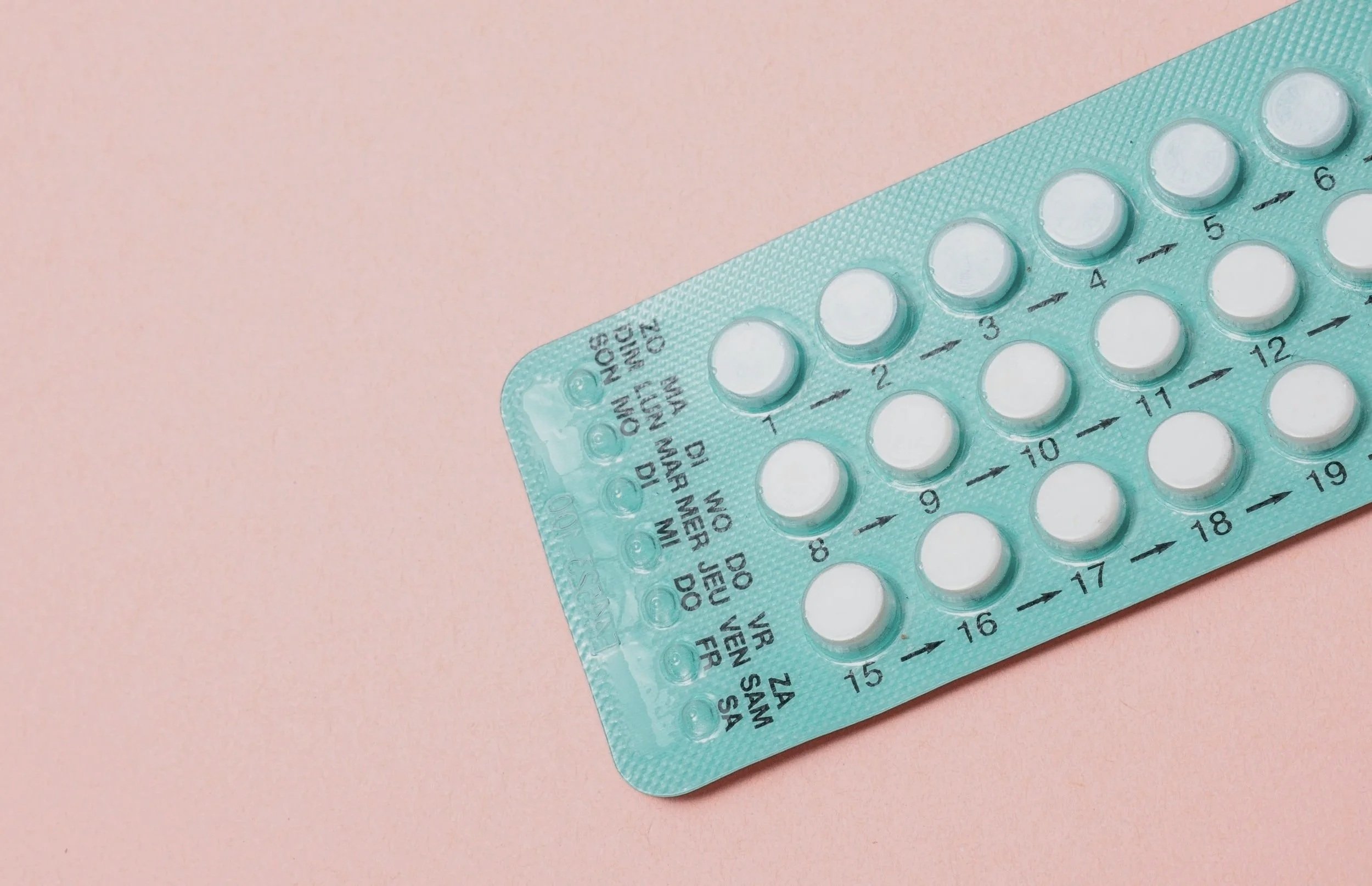
Deciding to come off birth control can feel like an important milestone. Whether you are planning for pregnancy or simply ready to let your body regulate its hormone cycles naturally, having more information on what to expect can help you feel empowered and ease any uncertainty as you take these next steps. Here is what typically happens when you stop hormonal contraception, what you can reasonably expect for your fertility, possible timeline variations, common symptoms your body might experience, and ways acupuncture and other supportive practices can help during this transition.
What Birth Control Does to Your Body
Most hormonal birth control methods work by preventing ovulation, meaning they stop the ovary from releasing an egg. They may also thicken cervical mucus, making it harder for sperm to reach an egg, and thin the uterine lining to reduce the likelihood of implantation. These mechanisms work together to prevent pregnancy while the method is in use.
Once birth control is discontinued, these effects gradually wear off. Your body then begins the process of re-establishing its natural hormonal communication between the brain, ovaries, and uterus. The speed of this process depends on the type of contraception used and your individual factors.
How Fertility Returns After Stopping Birth Control
A common concern after stopping birth control is whether fertility will return immediately. For many people, ovulation resumes quickly, sometimes within the first month. For others, it may take a few cycles for hormones and menstrual patterns to normalize, and for some, it takes much longer. This can depend significantly on when and why you started birth control in the first place.
Once your cycles return, the work of preconception begins. For more, see our article on preconception health.
Getting to Know Your Type of Birth Control
Oral contraceptive pills: Ovulation may occur shortly after stopping the pill. Some people ovulate in the first cycle, while others experience a few irregular cycles before settling into a pattern.
Hormonal IUDs: Fertility typically returns quickly after removal. Ovulation can occur immediately, though cycles may take time to feel predictable.
Copper IUDs: Because this method does not use hormones, fertility and natural cycles can resume right away once the device is removed.
Contraceptive implants: Ovulation generally resumes soon after removal, though temporary cycle irregularity is possible.
Depo-Provera injection: This method can delay ovulation for several months after the final injection because the hormone remains active in the body longer than other methods.
What the Research Shows
Large reviews of fertility outcomes demonstrate that most people conceive within 12 months of stopping contraception, regardless of the method used. A systematic review published in Contraception and Reproductive Medicine found that approximately 83 percent of women became pregnant within one year of discontinuation.
Other studies focusing on oral contraceptives found that conception rates may be slightly lower in the first two to three months after stopping, with a median time to pregnancy of about three months. Nearly all participants conceived within two years.
These findings suggest that while pregnancy may occur quickly, taking several months to conceive is also within the range of normal. However, there may be correlating factors between the length of time it takes to conceive and why you originally went on birth control. For instance, was it to regulate your cycle? That may point to some underlying issues that need to be addressed.
Common Experiences After Stopping Birth Control
When hormonal contraception is stopped, your body must resume its own hormone production and rhythm. Because birth control cycles are regulated externally, your natural cycle may feel different from what you experienced while using contraception.
Irregular Periods
It is common for menstrual cycles to be irregular at first. Periods may be heavier or lighter, longer or shorter, or spaced farther apart. Ovulation may occur before your first spontaneous period, which can be surprising for those tracking cycles.
When it comes to why you went on birth control in the first place, it may have started as a way to "regulate" an irregular period. If your cycle was irregular before starting birth control, there may be underlying conditions that still need to be addressed at the root. These may include stress-related factors, body weight changes, thyroid dysfunction, and conditions such as polycystic ovary syndrome (PCOS).
For more on PCOS, read our article on PCOS and Fertility: What You Need to Know.
Return of Suppressed Symptoms
If you went on birth control to help with symptoms such as painful periods, premenstrual mood changes, acne, or heavy bleeding, these symptoms may return or feel more noticeable after stopping. This is because your baseline physiology is re-emerging. The good news is that these underlying patterns can be addressed with the right support.
Ovulation Signs Become Noticeable
As ovulation resumes, you may notice changes in cervical mucus, mild pelvic sensations, or temperature shifts. These signs can help you identify your fertile window.
Emotional and Psychological Changes
Hormonal shifts can influence mood, energy, and libido. Some people feel more emotionally stable after stopping birth control, while others notice temporary mood fluctuations during the transition phase. Acupuncture can help regulate your nervous system, which in turn can support mood stability and emotional wellbeing.
Why Fertility May Feel Delayed
If pregnancy does not occur immediately, there may be an adjustment period. Your body may need time to coordinate consistent ovulation and hormone signaling. This is especially true after long-term contraceptive use or methods with prolonged hormonal effects. There may also be underlying factors at play, as mentioned earlier.
You may have been on birth control from the time you first became sexually active and only come off to try to conceive later in your reproductive years. Age-related fertility decline occurs regardless of birth control history. Conditions such as endometriosis, PCOS, thyroid disorders, or male factor infertility may also influence conception timing. In some cases, birth control previously masked irregular cycles, which become apparent only after discontinuation.
When to Seek Support
Clinical guidelines generally recommend seeking fertility evaluation if pregnancy has not occurred after 12 months of trying, or after 6 months if you are over age 35. Earlier consultation may be appropriate if cycles are absent, extremely irregular, or associated with significant pain or bleeding.
Acupuncture for Fertility After Birth Control
Many people explore acupuncture to support their transition off birth control or while trying to conceive. Acupuncture has been used for centuries within Traditional Chinese Medicine to support reproductive health, hormonal balance, and stress regulation.
Acupuncture works by helping to regulate hormones and support ovulation through the hypothalamic-pituitary-ovarian (HPO) axis. Research published in the journal Fertility and Sterility has shown that acupuncture can influence hormonal signaling pathways involved in ovulation and cycle regulation. It can reduce stress and sympathetic nervous system activation, which directly influences reproductive hormone signaling. It also promotes healthy blood flow to reproductive organs.
What makes this approach different is that we look at your specific patterns, such as digestive weakness or emotional holding, to address what is actually happening in your body at the root level. Every patient is unique, and your treatment plan reflects that.
Beyond Acupuncture: A Comprehensive Approach
In addition to acupuncture, there are many ways to support your fertility during this transition.
Cycle Awareness
Tracking your cycles can help you understand ovulation patterns and recognize when additional support may be helpful. We often suggest a smart ring health tracking device to measure your BBT (Basal Body Temperature). You can also use a BBT thermometer at the same time every morning. BBT is your body's lowest resting temperature, measured first thing in the morning before getting out of bed, talking, or moving around. It does not predict ovulation but confirms it. After ovulation, progesterone causes a sustained temperature rise, which lets you know ovulation has occurred.
Nutrition and Micronutrients
Adequate intake of iron, B vitamins, protein, and healthy fats supports hormone production and egg quality. Diet affects everything, including fertility. Understanding what to eat and when can help regulate your cycle and prepare your body for pregnancy.
For more on this topic, read our article on how to improve egg quality.
Balanced Movement
Regular, moderate movement supports metabolic and hormonal health. Excessive exercise without adequate fueling may delay ovulation in some individuals and can affect your progesterone levels. There are times in your cycle to move more (the follicular phase, after menstruation) and times to scale back (the luteal phase) in order to support your menstrual health.
Stress Regulation
Chronic or acute stress can influence reproductive hormones. Practices such as mindfulness, breathwork, gentle movement, and adequate rest can support hormonal balance.
What This Looks Like in Practice
A woman came to us at 32 years old. She had started taking birth control when she was 17 and had recently stopped. Her decision to stop the oral contraception was originally due to chronic yeast infections over the past year. She had read that there could be a correlation between birth control and chronic yeast infections, and she was ready to try anything. She also expressed a desire to naturally regulate her cycle to prepare for a future pregnancy.
She had originally been placed on birth control after her period stopped for several months as a teenager. Her OB-GYN induced a period, and then she started an oral contraceptive for the following fifteen years. When she came to our practice, she had been off birth control for three months with no signs of her period returning. There appeared to be an underlying issue that was never addressed when her menstrual cycle initially stopped.
Through our sessions together, it became clear that before her period stopped as a teenager, she had experienced a significant trauma. The psychoemotional impact and stress of this event may have been a key factor in the loss of her period. While birth control gave her a monthly bleed, it placed a bandaid over a deeper issue, which for her was a need to feel safe in her own body.
Through acupuncture and trauma-informed Somatic Experiencing work, she got her first natural period within two months of starting treatment. Within six months, her cycle was completely regulated. It had been fifteen years since she had experienced a natural, regular cycle.
For more on this topic, read our article on trauma and the body.
Within a year, she was ready to try to conceive. We worked together on lifestyle changes, including targeted supplements, an anti-inflammatory diet, mindful movement, and sleep regulation. After four months of preparation, she conceived on her first cycle of trying. She now has a beautiful, healthy child.
Read stories from women we've worked with →
Frequently Asked Questions
How long does it take to get pregnant after stopping birth control? For most women, fertility returns quickly. A systematic review published in Contraception and Reproductive Medicine found that approximately 83% of women conceived within 12 months of stopping contraception, regardless of the method used. Ovulation can resume within the first cycle after stopping the pill or removing an IUD, though some women experience a few irregular cycles first. The Depo-Provera injection tends to take longest, as the hormone remains active in the body for several months after the last dose. If your periods were irregular before starting birth control, the underlying cause may still need to be addressed. At Fifth Avenue Fertility Wellness, we help patients regulate their cycles naturally after stopping birth control using acupuncture and lifestyle support.
Is it normal to have irregular periods after stopping birth control? Yes, this is very common. Hormonal birth control suppresses your body's natural hormone production, so when you stop, your system needs time to re-establish its own rhythm. Cycles may be longer, shorter, heavier, or lighter for several months. If your periods do not return within three months or remain very irregular after six months, it is worth investigating underlying conditions such as PCOS, thyroid dysfunction, or stress-related hormonal imbalance. These conditions are sometimes masked by birth control and only become apparent once you stop.
Does acupuncture help regulate your cycle after birth control? Research published in Fertility and Sterility has shown that acupuncture can influence the hypothalamic-pituitary-ovarian axis, the hormonal communication system that drives ovulation and cycle regularity. Acupuncture helps by promoting ovulation, reducing stress hormones that interfere with reproductive signaling, and improving blood flow to the ovaries and uterus. For women coming off birth control, acupuncture supports the body's transition back to natural hormone production. At Fifth Avenue Fertility Wellness, we often begin working with patients as soon as they stop birth control to support this transition and optimize fertility.
Your Next Steps
Coming off birth control is a physiological transition that unfolds over time. For many people, fertility returns quickly. For others, the body takes longer to recalibrate, and this variation is normal.
If you are having difficulty regulating your cycle or trying to conceive after coming off birth control, acupuncture and other modalities can help. Acupuncture offers supportive benefits for stress management, cycle awareness, blood flow, and overall wellbeing during this process.
We have helped guide many women through this transition and are here for you.
Learn more about our Preconception & Fertility stage or contact us at 212.432.1110 or info@fafwellness.com.