
Women's Health, Hormones & the Nervous System

Women’s Health

Fertility
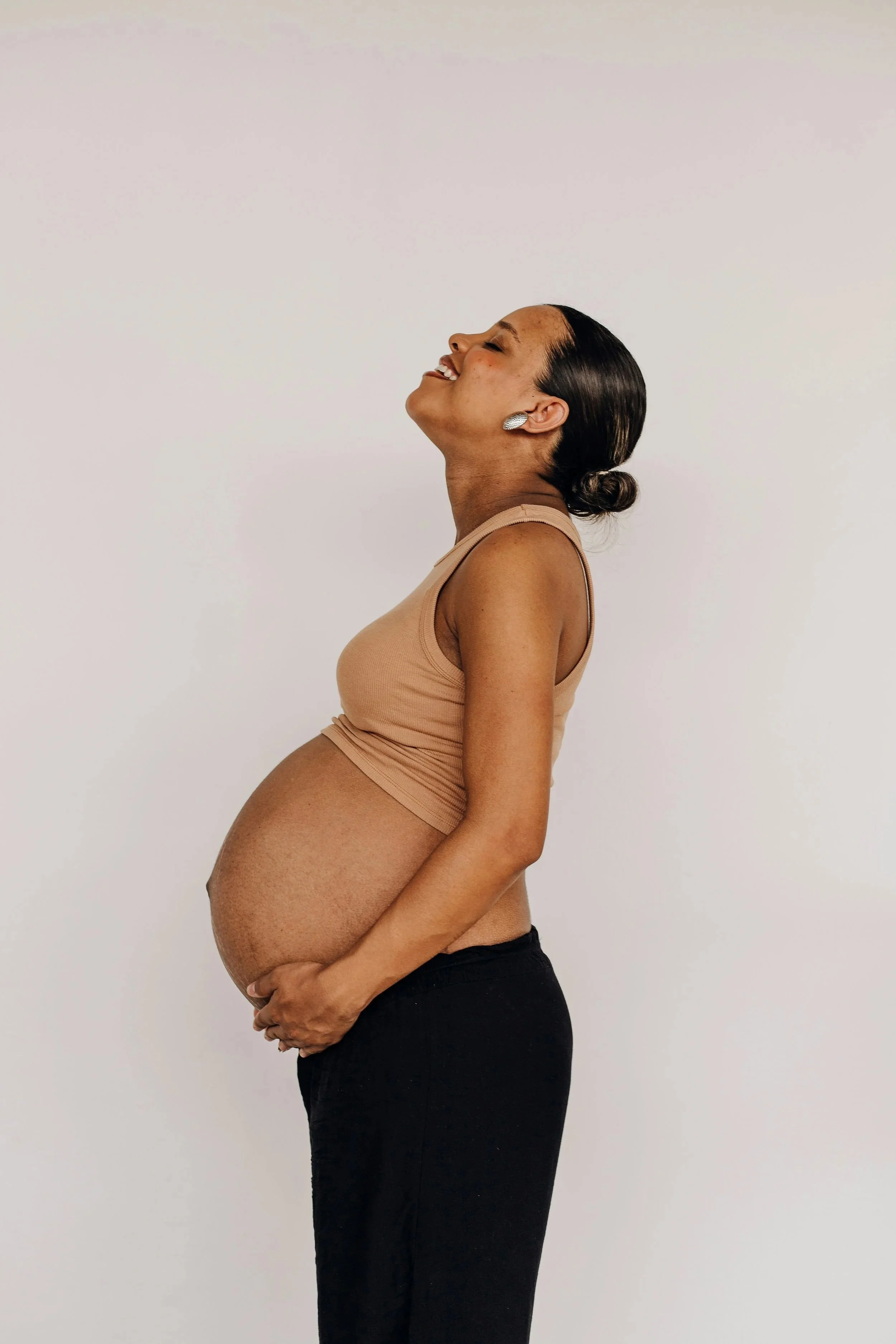
Pregnancy

Postpartum

Perimenopause

Nervous System

Heavy Periods: Causes and Natural Approaches
Heavy periods are your body's way of telling you something about your hormonal balance, your uterine health, or both. Understanding what's driving the heavy flow is where effective treatment begins.

Perimenopause Fatigue: Why Your Energy Has Changed
Perimenopause fatigue goes deeper than tiredness. When the energy that used to carry you stops showing up, understanding what's shifted hormonally and neurologically is where recovery begins.

Postpartum Recovery: Supporting Your Body After Birth
Your body just did the most demanding thing it will ever do. How you recover in the weeks and months after birth shapes your health for years. Most cultures understood this. Modern life has forgotten it.

Chemical Pregnancy: What It Means and What Comes Next
A chemical pregnancy is a loss that happens before most people even know to look for it. Understanding why it happens and what your body needs afterward can change what comes next.
Ovulation Signs: How to Know When You're Most Fertile
Your body knows how to give birth. Preparing for labor is about creating the conditions that allow that process to unfold as smoothly as possible.

Polyvagal Theory Explained: What It Means for Your Health
Polyvagal theory explains why your body responds to stress the way it does. Understanding it can change how you approach your health.

Preparing for Labor: Natural Ways to Ready Your Body
Your body knows how to give birth. Preparing for labor is about creating the conditions that allow that process to unfold as smoothly as possible.

Hormonal Acne: The Root-Cause Approach
Hormonal acne is your skin reflecting an internal imbalance. Understanding what's driving it is the first step toward clearer skin.

Implantation Symptoms: What to Look For and How to Support Success
The two-week wait can feel consuming. Understanding implantation symptoms can help you feel informed and steady during this vulnerable window.

The Fawn Response: Why You Can't Stop Saying Yes
The fawn response is a survival pattern where you abandon yourself to keep others comfortable. It looks like people-pleasing, but it's actually your nervous system trying to stay safe.

Preconception Health: How to Prepare Your Body for Pregnancy
Your reproductive system relies on balance. Give your body time to shift, to regulate, to build the resilience that supports both conception. Working with lifestyle changes, supplementation, herbal formulas, and diet, before conception improves your chances of pregnancy.

Postpartum Anxiety: When You Can't Stop Worrying
You thought you’d be tired, yes, but also happy. Instead, you feel like a stranger in your own life, or maybe you feel nothing at all, and that absence frightens you more than sadness would. Postpartum depression affects up to 1 in 5 women, and that number is likely higher because so many cases go unreported. It responds to treatment, and you don’t have to wait it out.
Morning Sickness and Acupuncture: Relief That Actually Works
You waited so long to see that positive test, and now that you’re finally pregnant, you feel terrible. The nausea hits in waves, sometimes in the morning, sometimes all day. Acupuncture is one of the most effective and well-researched treatments available for pregnancy nausea, working through the nervous system to calm the heightened nausea response without any risk to you or your baby.

Chronic Stress and Your Body: What's Actually Happening
Chronic stress is a physiological state that affects your hormones, digestion, immune function, sleep, and fertility. Here's what's actually happening in your body.

The Vagus Nerve: Why It Matters for Your Health
The vagus nerve is the main communication line between your brain and your body. When it functions well, you can digest, rest, and recover. When it doesn't, everything suffers.

Postpartum Depression: Signs and Support
If you’ve been told to “just relax,” you know how unhelpful that advice is. The relationship between anxiety and fertility is real, but the solution isn’t forcing yourself to calm down. We work on anxiety because you’re suffering, and you don’t have to suffer this much, and because when your nervous system settles, your body often responds in ways that support conception.

Signs of a Dysregulated Nervous System: Why You Feel This Way
Your nervous system shapes your health at the level of hormones, sleep, digestion, and emotional capacity. Recognizing the signs of dysregulation is the first step toward changing the pattern.

Anxiety & Fertility: Breaking the Cycle
If you’ve been told to “just relax,” you know how unhelpful that advice is. The relationship between anxiety and fertility is real, but the solution isn’t forcing yourself to calm down. We work on anxiety because you’re suffering, and you don’t have to suffer this much, and because when your nervous system settles, your body often responds in ways that support conception.

How to Regulate Your Nervous System: A Beginner's Guide
If you've realized your nervous system is dysregulated, the next question is: what do you actually do about it? The internet is full of vagus nerve hacks, but most are missing the bigger picture. Here's where to actually start.

Somatic Healing: What It Is and How It Works
Somatic healing works with the body directly, helping resolve patterns that talk therapy and thinking alone can't shift. Here's what it is and how it actually works.