
Hormonal Acne: The Root-Cause Approach
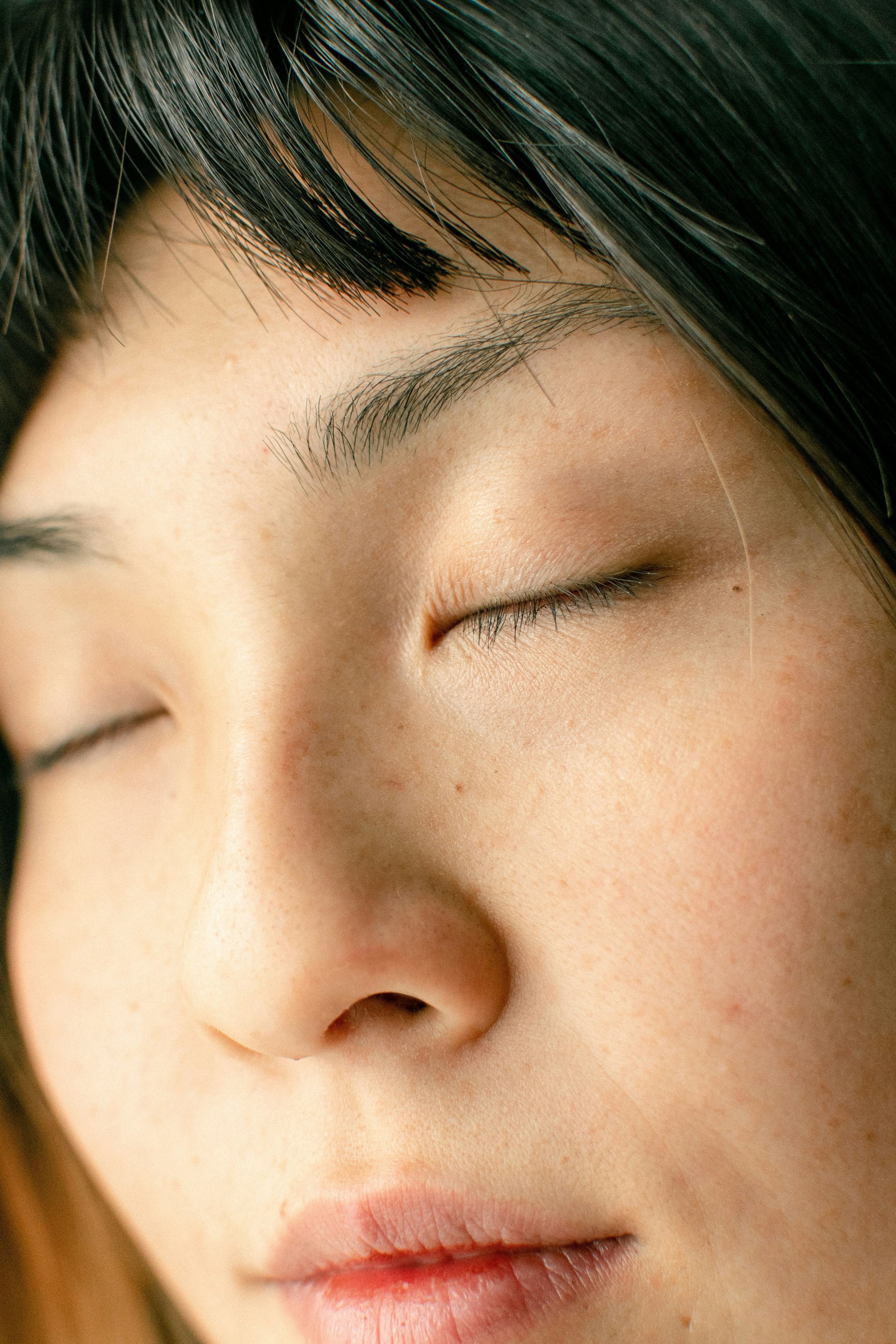
You're not a teenager anymore. You've tried the cleansers, the serums, the prescriptions. You've cut out dairy. You've changed your pillowcase. And still, the breakouts keep coming, especially along your jawline, chin, and lower cheeks. They're deep, often painful, and they seem to have a rhythm tied to your cycle.
This is hormonal acne. And no amount of topical treatment will fully resolve it, because what's showing up on your skin is a reflection of what's happening inside your body.
Hormonal acne is common in adult women. It can appear for the first time in your 20s, 30s, or even 40s. It can emerge after stopping birth control, during perimenopause, or alongside conditions like PCOS. It can persist despite your best efforts because the root cause hasn't been addressed.
The good news is that hormonal acne responds to treatment when you address what's driving it. Your skin is communicating something about your hormones, your digestion, your stress, your inflammation. Learning to read that communication is the first step toward clearer skin.
What Makes Acne Hormonal?
Hormonal acne is driven by fluctuations in hormones, particularly androgens like testosterone and DHEA. These hormones increase sebum (oil) production in the skin. When excess sebum combines with dead skin cells and bacteria, pores become clogged, leading to inflammation and breakouts.
Several signs suggest your acne is hormonal:
Location matters. Hormonal breakouts typically appear on the lower third of the face: the jawline, chin, and lower cheeks. They can also appear on the neck and chest. This distribution follows the pattern of hormone-sensitive oil glands.
Timing matters. If your breakouts flare predictably around your period, usually in the week before, that's a hormonal pattern. The drop in estrogen relative to progesterone in the luteal phase can trigger breakouts.
Type matters. Hormonal acne tends to be deep, cystic, and painful. These aren't surface-level whiteheads. They're inflamed nodules that form beneath the skin and take longer to heal.
Age matters. If you're dealing with acne as an adult, especially if you had clear skin as a teenager, hormones are likely involved.
What's Driving the Imbalance?
Hormonal acne is a symptom. The question is what's creating the hormonal environment that produces it.
Androgen Excess
Elevated androgens are the most direct cause of hormonal acne. This can happen with PCOS, where the ovaries produce excess testosterone. It can happen with adrenal dysfunction, where the adrenal glands overproduce DHEA. It can also happen when estrogen and progesterone are low relative to androgens, creating an imbalanced ratio even when androgen levels are technically "normal."
For more on this pattern, see our article on PCOS and fertility.
Coming Off Birth Control
Many women experience a wave of acne after stopping hormonal birth control, sometimes worse than anything they experienced as teenagers. This happens because birth control suppresses your body's own hormone production. When you stop, there's often a rebound effect where androgens surge before your system regulates.
This post-pill acne can take 6 to 12 months to resolve as your body recalibrates. Supporting your hormones during this transition can help. For more on this, see our article on coming off birth control.
Perimenopause
Many women are surprised to develop acne in their 40s. As estrogen and progesterone decline during perimenopause, the relative influence of androgens increases. This shift can trigger breakouts in women who haven't had acne in decades.
Perimenopausal acne often appears alongside other symptoms like irregular cycles, mood changes, and sleep disruption. Addressing the broader hormonal transition often helps the skin as well. For more on this transition, see our article on perimenopause symptoms.
Insulin Resistance
Insulin and androgens are closely linked. When insulin is chronically elevated, it stimulates the ovaries to produce more testosterone. It also reduces sex hormone binding globulin (SHBG), which means more free testosterone is available to affect your skin.
This is why blood sugar regulation matters for acne. Diets high in refined carbohydrates and sugar spike insulin repeatedly, creating conditions for both elevated androgens and increased inflammation.
Chronic Stress
Stress affects your skin through multiple pathways. When you're chronically stressed, your adrenal glands produce more cortisol and DHEA. DHEA is an androgen precursor that can contribute to acne.
Stress also increases inflammation systemically, which shows up in your skin. And stress disrupts digestion, which affects how well your body clears excess hormones. For more on how stress affects your body, see our article on chronic stress and your body.
Gut Health
Your gut plays a significant role in hormone regulation. The liver metabolizes estrogen, and the gut is responsible for eliminating it. When gut function is impaired, estrogen can recirculate instead of being cleared. This disrupts the estrogen-to-androgen ratio.
The gut microbiome also affects inflammation levels throughout the body. Dysbiosis, or imbalanced gut bacteria, is associated with both systemic inflammation and skin conditions including acne.
Constipation is a particular concern. If you're not having daily bowel movements, you're not efficiently clearing the hormones your liver has processed for elimination.
Inflammation
Acne is fundamentally an inflammatory condition. While hormones set the stage by increasing sebum production, inflammation determines how severely your skin reacts.
Chronic low-grade inflammation from diet, gut issues, stress, or environmental factors makes your skin more reactive. Reducing systemic inflammation often improves acne even when hormone levels haven't significantly changed.
How Chinese Medicine Views Hormonal Acne
In Chinese medicine, the skin reflects the internal state of the body. Acne indicates heat and often dampness or stagnation that needs to be cleared.
Different acne presentations point to different patterns. Red, inflamed, painful cystic acne indicates heat, often related to liver fire or stomach heat. Acne that worsens with stress points to liver qi stagnation. Acne accompanied by digestive issues suggests damp-heat in the stomach and spleen. Acne that worsens around the period often involves blood stasis or qi stagnation.
We assess your specific pattern through your symptoms, your pulse, and your tongue. Two women with hormonal acne may have entirely different underlying patterns and receive different treatments.
This individualized approach is why Chinese medicine can be so effective for acne. We're addressing your particular imbalance, not applying a one-size-fits-all protocol.
What Actually Helps
Clearing hormonal acne requires addressing internal imbalances. Topical treatments alone won't resolve it. Here's what we focus on.
Acupuncture
Acupuncture helps hormonal acne through several mechanisms. It regulates the hypothalamic-pituitary-ovarian axis, helping to balance reproductive hormones. It reduces inflammation systemically. It calms the nervous system, lowering stress hormones that contribute to breakouts. It supports digestion and elimination.
Many women notice their skin improving within a few cycles of consistent treatment. We typically recommend weekly acupuncture when actively treating hormonal acne.
Chinese Herbal Medicine
Herbal formulas are often essential for clearing hormonal acne. We customize formulas based on your pattern. Herbs that clear heat and toxins address the inflammatory component. Herbs that move blood and qi address stagnation. Herbs that support the liver aid hormone metabolism. Herbs that regulate the cycle address the underlying hormonal imbalance.
The combination of acupuncture and herbs is often more effective than either alone.
Blood Sugar Regulation
Stabilizing blood sugar is one of the most effective interventions for hormonal acne. This means eating regular meals with adequate protein and fat, reducing refined carbohydrates and sugar, and avoiding the blood sugar spikes that drive insulin and inflammation.
Many women see significant improvement in their skin from dietary changes alone, particularly when insulin resistance is part of the picture.
Gut Support
Improving digestion and elimination helps your body clear excess hormones efficiently. This might mean addressing constipation, supporting the gut microbiome with fermented foods or probiotics, or identifying and removing inflammatory foods.
We often recommend a three-week elimination diet to reduce inflammation and identify food sensitivities. Common triggers include dairy, gluten, and sugar. Some women find their skin clears dramatically when they remove specific foods.
Stress Reduction
Because stress hormones directly contribute to acne, nervous system regulation matters for your skin. Practices that calm the nervous system, including acupuncture, breathwork, adequate sleep, and lifestyle changes, support clearer skin.
This isn't about adding stress by trying to be perfectly calm. It's about recognizing that chronic stress creates a hormonal environment that promotes breakouts. For specific techniques, see our article on how to regulate your nervous system.
Liver Support
Supporting your liver's ability to metabolize hormones helps create better hormonal balance. This means reducing the liver's burden by limiting alcohol, processed foods, and environmental toxins. It also means supporting liver function with cruciferous vegetables, adequate protein, and sometimes specific herbs or supplements.
Targeted Supplements
Certain supplements can help with hormonal acne when used appropriately. Zinc supports skin healing and has anti-androgen effects. Omega-3 fatty acids reduce inflammation. DIM (diindolylmethane) supports estrogen metabolism. Berberine can help with insulin sensitivity.
We recommend supplements based on your specific situation, not as a generic protocol.
What This Looks Like in Practice
A woman came to us at 32 with cystic acne along her jawline that had appeared after she stopped birth control two years earlier. She'd been on the pill since she was 16 for painful periods, and she'd never had significant acne before.
Since stopping, her skin had been unforgiving. Deep, painful cysts that left scars. She'd tried antibiotics, which helped temporarily but the acne returned when she stopped. She'd tried spironolactone but couldn't tolerate the side effects. She'd tried every topical product her dermatologist recommended. Nothing lasted.
Her periods had returned but were irregular, coming every 35 to 45 days. She had significant PMS with irritability and breast tenderness. Her digestion was sluggish, with bloating and constipation. She felt tired most of the time.
In Chinese medicine terms, she had liver qi stagnation with underlying blood deficiency. Her system was still trying to recalibrate after years on birth control, and it was stuck.
We started with weekly acupuncture focused on moving liver qi and building blood. We added an herbal formula customized to her pattern. We cleaned up her diet, removing dairy and reducing sugar. We addressed her constipation with magnesium and increased fiber.
The first month, not much changed. The second month, she noticed fewer new cysts forming. By the third month, her skin was noticeably clearer. Her periods had regulated to 30 days. Her energy had improved.
By month six, her acne had resolved almost completely. She still got an occasional small breakout before her period, but the painful cysts were gone. Her scars were fading.
What we addressed was the internal imbalance that birth control had been masking. Her body needed time and support to find its own rhythm. Once it did, her skin reflected that balance.
Read stories from women we've worked with →
Frequently Asked Questions
What is the root cause of hormonal acne? Hormonal acne is driven by fluctuations in hormones, particularly androgens like testosterone, which increase oil production in the skin and clog pores. But the deeper root cause is often what is driving those hormonal fluctuations in the first place: chronic stress and elevated cortisol, gut imbalances, blood sugar dysregulation, coming off birth control, PCOS, or perimenopause. Treating the skin alone without addressing the underlying hormonal imbalance is why many women cycle through products without lasting results.
Can acupuncture help with hormonal acne? Research shows that acupuncture achieves comparable results to pharmaceutical acne treatments with significantly fewer side effects. Acupuncture works by regulating the endocrine system, reducing inflammation, lowering stress hormones like cortisol, and improving circulation to the skin. At Fifth Avenue Fertility Wellness, we take a root-cause approach to hormonal acne, using acupuncture and herbal medicine to address the underlying hormonal imbalance rather than just treating the surface symptoms. Most patients begin seeing improvement within 4 to 6 weeks of consistent treatment.
How do I know if my acne is hormonal? Hormonal acne has distinct patterns. It typically appears along the jawline, chin, and lower cheeks. It tends to flare in the week before your period, around ovulation, or during times of high stress. The breakouts are often deep, painful cysts rather than surface-level whiteheads. If your acne started or worsened after stopping birth control, during perimenopause, or alongside irregular periods, that is a strong sign it is hormonally driven.
Your Next Step
Hormonal acne is frustrating, especially when you've tried everything and nothing has worked. The reason topical treatments fail is that they don't address what's happening inside your body. Your skin is reflecting an internal state, and changing that state is what creates lasting results.
We've helped many women clear hormonal acne by addressing the root causes: hormonal imbalances, inflammation, gut health, stress, and liver function. When these shift, your skin shifts too.
This is part of our Preconception & Fertility stage. We help women understand what their symptoms are communicating and create real, lasting change.
Contact us at 212.432.1110 or info@fafwellness.com.
Keep Reading: