
Best Supplements for Fertility: An Evidence-Based Guide
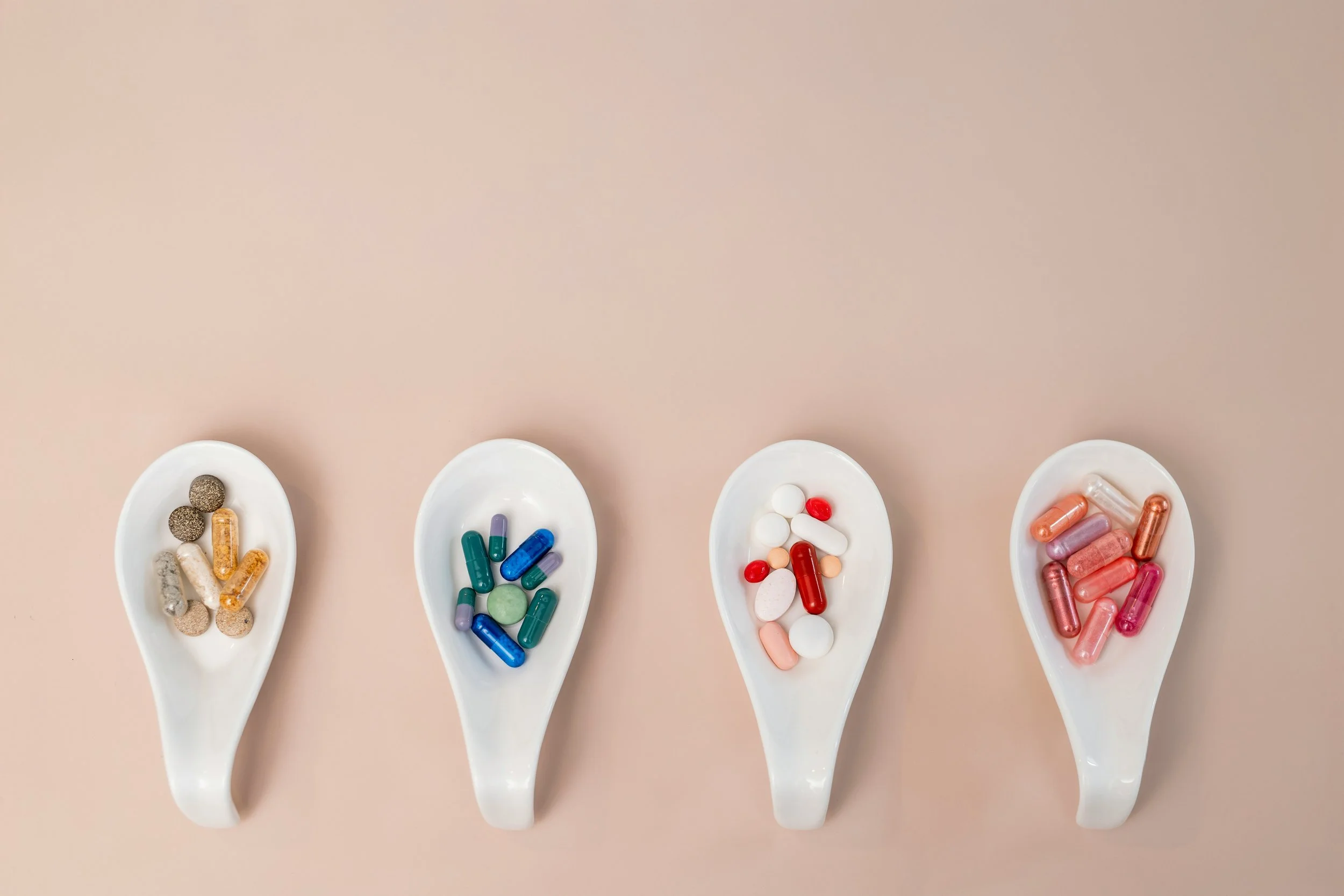
You've probably seen the lists. Dozens of supplements promise to boost your fertility, improve your egg quality, and balance your hormones. The claims are everywhere, and the options are overwhelming. How do you know what actually matters?
The honest answer is that supplements are one piece of a larger picture. They can support your body, address specific deficiencies, and improve the environment where eggs and sperm develop. They cannot compensate for chronic stress, poor sleep, or nutritional patterns that work against you. They work best as part of a comprehensive approach, not as a substitute for addressing root causes.
That said, the research supports several key nutrients. This article explains what the evidence shows, how to think about your own protocol, and what to consider before you start.
Before You Begin: A Few Principles
Supplements are not magic. They work gradually, supporting cellular processes over time. Because eggs develop over approximately 90 days before ovulation, and sperm production takes 72 to 90 days, most supplements need at least three months to show their full effect. Starting earlier gives your body more time to benefit.
More is not always better. Some nutrients can interact with medications, affect hormone levels, or cause problems in high doses. The dosages in this article reflect what has been used in research studies. They are not medical advice. Work with a healthcare provider to determine what's appropriate for your situation.
Quality matters. Supplements are not regulated the same way medications are. Look for brands that test for purity and potency, ideally with third-party verification. What's on the label should be what's in the bottle.
And perhaps most importantly: supplements work best when the foundations are in place. Sleep, nutrition, stress management, and overall health create the environment where supplements can actually make a difference. Taking CoQ10 while running on four hours of sleep and living on caffeine is not a strategy.
Supplements are one piece of a larger preparation. For more, see our article on preconception health.
The Core Foundation: What Almost Everyone Needs
Certain nutrients are so fundamental to fertility that they belong in nearly every protocol. These form the baseline, the starting point before considering anything more targeted.
Prenatal Vitamin with Methylfolate
If you're trying to conceive, a prenatal vitamin is essential. It fills nutritional gaps and ensures you have adequate levels of nutrients critical for early fetal development.
Look for a prenatal that contains methylfolate rather than folic acid. Methylfolate is the active form of folate, ready for your body to use. Some women have genetic variations that impair their ability to convert folic acid to its active form. Using methylfolate bypasses this issue entirely. Research supports 800 to 1000 micrograms daily.
Folate is essential for DNA synthesis and is particularly important during the rapid cell division that occurs after fertilization. It's also critical for preventing neural tube defects. Start taking a prenatal at least three months before you want to conceive, and continue through pregnancy.
Vitamin D
Vitamin D deficiency is remarkably common, and it affects fertility at multiple levels. Research published in the Journal of Clinical Endocrinology and Metabolism found that women with adequate vitamin D levels had significantly higher pregnancy rates with IVF than those who were deficient.
Vitamin D influences hormone production, egg development, and implantation. It also plays a role in immune function and inflammation, both of which affect reproductive health.
Have your levels tested. Optimal for fertility is generally considered 40 to 60 ng/mL, which is higher than the minimum threshold for avoiding deficiency. Most people need 2,000 to 5,000 IU daily to achieve and maintain these levels, though your specific dose should be based on your bloodwork.
Omega-3 Fatty Acids
Omega-3s, particularly EPA and DHA, reduce inflammation, support cell membrane health, and influence hormone production. A study published in Human Reproduction found that women with higher blood levels of omega-3s had better embryo morphology.
Omega-3s also support cervical mucus production and blood flow to reproductive organs. For men, they support sperm membrane integrity and motility.
Most research has used 2 to 3 grams daily of combined EPA and DHA. Look for fish oil or algae-based supplements that have been tested for purity and are free of heavy metals.
Supporting Egg Quality
Egg quality is a function of cellular health, and certain supplements have been studied specifically for their effects on how eggs develop and mature. These are particularly relevant for women over 35, those with diminished ovarian reserve, or anyone who has had previous cycles with poor egg quality or embryo development.
Coenzyme Q10 (CoQ10)
CoQ10 is essential for mitochondrial function. Mitochondria are the energy factories of your cells, and eggs have more mitochondria than any other cell type because fertilization and early cell division require enormous amounts of energy.
Research published in Fertility and Sterility found that women who took CoQ10 before IVF had higher fertilization rates and better embryo quality, particularly in women over 35. Another study suggested that age-related egg quality decline could be improved with CoQ10 supplementation.
Look for the ubiquinol form, which is better absorbed than ubiquinone. Research has used 400 to 600 mg daily. CoQ10 is fat-soluble, so take it with a meal containing fat for better absorption.
NMN (Nicotinamide Mononucleotide)
NMN is a precursor to NAD+, a coenzyme essential for cellular energy production and DNA repair. NAD+ levels decline with age, and this decline appears to directly affect egg quality.
Research published in Cell Reports found that NMN supplementation rejuvenated oocyte quality in aged mice, leading to restored fertility. The treated eggs showed enhanced mitochondrial function and restored energy production. A study in Reproductive Biology and Endocrinology found that NAD+ concentration in follicular fluid was positively correlated with egg maturation and fertilization rates in women undergoing IVF.
While human fertility trials are still ongoing, the research is promising. Studies have used 250 to 500 mg daily.
Myo-Inositol
Myo-inositol plays a crucial role in both nuclear and cytoplasmic egg maturation. Higher myo-inositol content in follicular fluid has been correlated with higher quality embryos.
A meta-analysis published in Medicine found that myo-inositol supplementation significantly improved clinical pregnancy rates in women undergoing IVF. Research in Reproductive Biology and Endocrinology showed improved fertilization rates and better embryo quality with myo-inositol supplementation.
While myo-inositol is especially beneficial for women with PCOS because of its effects on insulin sensitivity, the research suggests benefits for egg quality more broadly. Studies have used 2 to 4 grams daily.
Melatonin
Melatonin is a powerful antioxidant that protects eggs from oxidative damage. A study published in the Journal of Pineal Research found that women who took melatonin had higher fertilization rates and better embryo quality.
Beyond its antioxidant effects, melatonin supports sleep, and sleep quality directly affects hormone production and egg development. Research has used 3 mg at bedtime.
Açai Berry
Açai berries contain exceptionally high levels of polyphenols, which help neutralize free radicals and protect eggs from oxidative damage.
Research from CCRM, published in the peer-reviewed journal Life, found that women of advanced maternal age who took an açai berry supplement had comparable IVF outcomes to their younger counterparts. The study showed a 75% live birth rate in women 39 and older. Earlier research showed an 81% ongoing clinical pregnancy rate in women with previous failed IVF cycles after 8 to 12 weeks of açai supplementation.
On a molecular level, açai supplementation was shown to increase antioxidant pathways, decrease cell death, and upregulate protective antioxidant genes in the ovary. The CCRM study used 600 mg three times daily for 8 to 12 weeks before IVF.
DHEA
DHEA is a hormone precursor that declines with age. A study published in Human Reproduction found that women who took DHEA for four months before IVF had significantly more eggs retrieved and higher pregnancy rates.
DHEA is different from the other supplements on this list because it directly affects hormone levels. It should only be taken under practitioner supervision, as it's not appropriate for everyone and can have side effects. Studies have used 25 mg three times daily. For a broader approach to egg quality beyond supplements, read our article on how to improve egg quality.
Supporting Sperm Health
Male factor contributes to approximately half of fertility challenges, yet it often receives less attention than the female side. The same principles apply: cellular health, mitochondrial function, and protection from oxidative damage all matter for sperm development.
CoQ10
CoQ10 supports sperm motility and protects sperm from oxidative damage. A study published in the Journal of Urology found that CoQ10 improved sperm motility and count. Research has used 200 to 300 mg daily for male fertility.
Zinc
Zinc is essential for testosterone production and sperm development. Research shows zinc supplementation improves count and motility in men with low levels. Studies have used 25 to 30 mg daily.
Zinc is found in oysters, red meat, poultry, and pumpkin seeds, but many men don't get enough from diet alone.
Selenium
Selenium works with vitamin E to protect sperm from oxidative damage. It's also essential for sperm formation and motility. Studies have used 55 to 100 mcg daily. Brazil nuts are an excellent food source.
L-Carnitine
L-carnitine supports sperm energy production and motility. Research published in Fertility and Sterility found L-carnitine improved sperm motility. Studies have used 2 to 3 grams daily.
Vitamin C and Vitamin E
These antioxidants protect sperm from oxidative damage, which is a significant cause of sperm DNA fragmentation. Research has used 500 to 1000 mg of vitamin C and 400 IU of vitamin E daily.
Special Considerations
For PCOS
If you have PCOS, inositol and berberine deserve particular attention. Both improve insulin sensitivity, which is a central driver of PCOS-related fertility challenges.
Myo-inositol has been shown to restore ovulation and improve egg quality in women with PCOS. Research has used 2 to 4 grams daily. Berberine has similar effects on insulin sensitivity and also has anti-inflammatory properties. Studies have used 500 mg two to three times daily. Don't combine berberine with Metformin without guidance from your provider.
For more on PCOS-specific protocols, see our article on PCOS and fertility.
For Recurrent Pregnancy Loss
If you've experienced recurrent miscarriage, your supplement needs may be different. The focus often shifts to supporting implantation, immune function, and progesterone levels.
Work with a provider who can evaluate your specific situation. Generic supplement lists may not address what's actually happening in your body.
For IVF Preparation
If you're preparing for IVF, the 8 to 12 weeks before your cycle is an opportunity to optimize egg quality. This is when targeted supplementation, particularly CoQ10, NMN, and açai, can have the most impact.
For more on preparing for IVF, see our article on how to improve egg quality.
What a Thoughtful Protocol Might Look Like
This is an example, not a prescription. Your protocol should be individualized based on your age, your labs, your specific situation, and what you're already taking.
Foundation (nearly everyone):
Prenatal vitamin with methylfolate (800 to 1000 mcg folate)
Vitamin D (dose based on your levels, typically 2,000 to 10,000 IU)
Omega-3 fatty acids (1 to 2 grams EPA/DHA combined)
Egg quality support (women over 35 or those with quality concerns):
CoQ10, ubiquinol form (600 mg)
NMN (500 to 1000 mg)
Consider adding myo-inositol, melatonin, or açai based on your specific situation
Male fertility support:
Male-specific fertility supplement containing CoQ10, zinc, selenium, L-carnitine, and antioxidants
Or individual supplements at research-supported doses
Start at least three months before you want to conceive or begin treatment, if possible. The eggs and sperm developing now are influenced by your current environment.
The Limits of Supplements
Supplements can address deficiencies and support cellular health. They cannot fix everything.
If you're chronically stressed, running on inadequate sleep, eating in ways that create inflammation, or ignoring underlying health issues, supplements will only take you so far. They're one tool, not the whole solution.
We see women who have taken every supplement on every list and still aren't conceiving. Often, the missing piece isn't another supplement. It's addressing what's happening in their nervous system, their digestion, their hormonal patterns, their lives. It's looking at the whole picture rather than adding more pills.
This is why we take a comprehensive approach. Supplements are part of what we do, but they're woven into a larger framework that includes acupuncture, herbal medicine, dietary guidance, and lifestyle support. The goal is to create the best possible environment for conception, and that requires looking at everything, not just your supplement cabinet. For guidance on nutrition alongside supplementation, see our article on fertility diet.
What This Looks Like in Practice
A couple came to us after eight months of trying. She was 37, he was 39. Her cycles were regular, her labs looked reasonable, and her RE had told them to keep trying. They'd both been taking prenatals, and she'd added CoQ10 because she'd read it helps egg quality.
When we talked, the fuller picture emerged. She was a partner at her firm, working 60-hour weeks, rarely exercising, sleeping six hours on a good night. Her diet was fine when she had time to think about it, which wasn't often. She described herself as someone who had always been able to push through.
He traveled frequently for work, living on airport food and hotel gyms. He drank two to three glasses of wine most evenings to unwind. He hadn't thought much about his own fertility, assuming the issue was probably on her side.
Neither of them had been tested beyond basic labs. She'd never had her vitamin D checked. He'd never had a semen analysis.
We started with information. Her vitamin D was 24, well below optimal. His semen analysis showed count and motility in the lower range of normal, and morphology that could be improved. Neither result was alarming, but both suggested room for support.
We built a protocol that addressed what we'd found. For her: vitamin D to reach optimal levels, CoQ10 at a higher dose, omega-3s, and acupuncture weekly to support her nervous system and address the chronic tension she carried. We talked about sleep and what it would take to protect it.
For him: a comprehensive male fertility supplement, reduced alcohol, and attention to sleep when traveling. He was skeptical at first, but the semen analysis had gotten his attention.
The harder conversation was about the pace of their lives. Neither could quit their jobs or fundamentally change their schedules. But they could make adjustments. She started going to bed 30 minutes earlier. He cut wine to weekends only and started walking instead of using the hotel gym when he was exhausted.
After three months, we repeated his semen analysis. Count was up 40%, motility had improved, and morphology was in a better range. Her cycles were unchanged on paper, but she reported feeling different. Less wired. Sleeping more deeply. Less of the constant low-level exhaustion she'd come to accept as normal.
She conceived on their fourth month of trying with the new protocol. They were surprised by how straightforward it had been, once they'd addressed what had been missing. The supplements mattered, but so did everything else.
Read stories from other couples we've worked with →
Your Next Step
If you're trying to conceive and wondering which supplements might help, start with the foundations: a quality prenatal, vitamin D based on your levels, and omega-3s. From there, consider your specific situation. Your age, your labs, any diagnosed conditions, and what your body seems to need.
Supplements work best as part of a comprehensive approach. If you'd like guidance on building a protocol that fits your situation, we can help.
This is the heart of our Preconception & Fertility stage. We work with both partners, address root causes, and use supplements as one tool among many.
Contact us at 212.432.1110 or info@fafwellness.com.